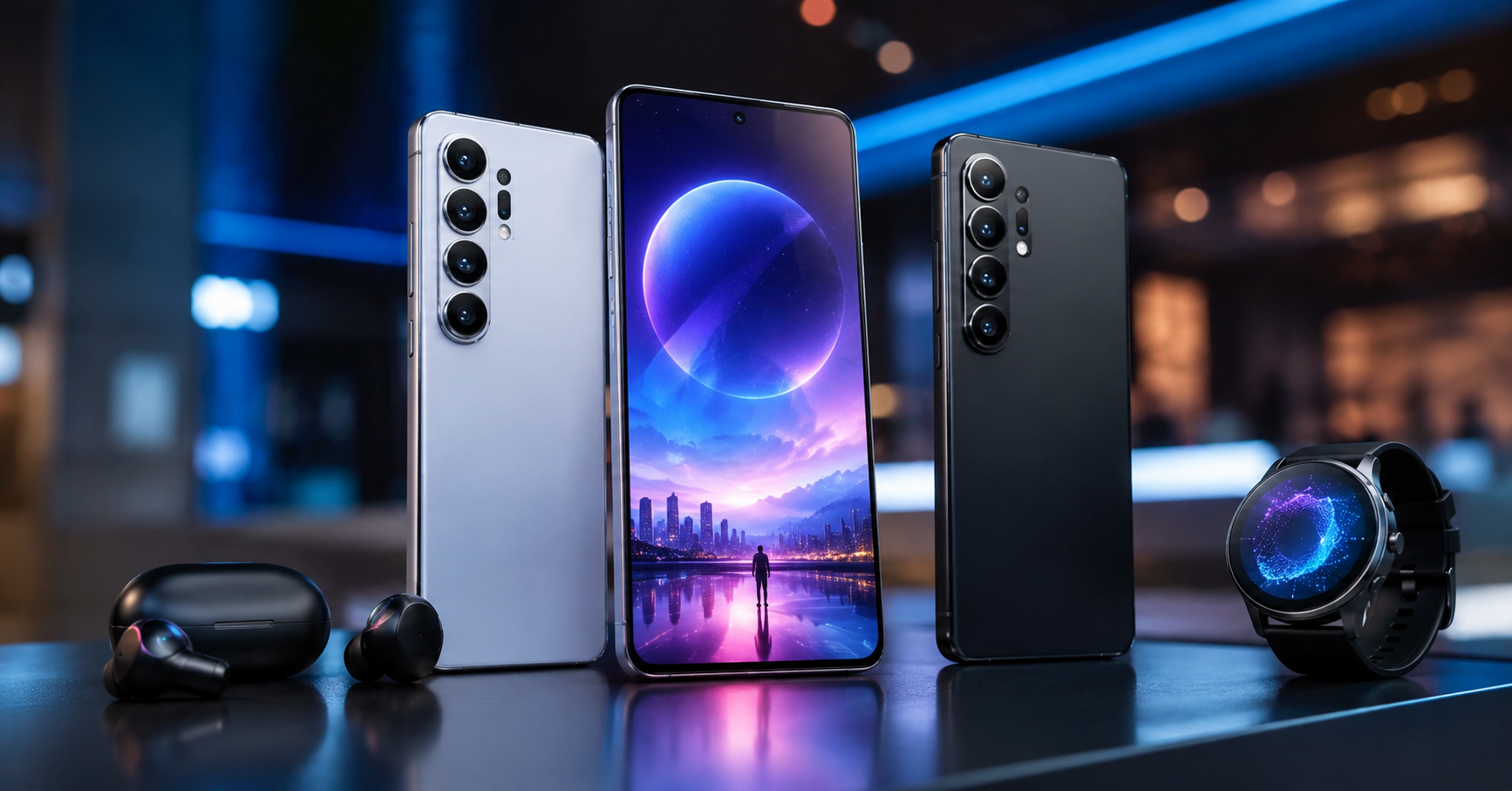
Smartphones have become an essential part of modern life, influencing how people communicate, work, learn, and entertain themselves. Every year brings new innovations, but 2026 is expected to introduce some of the most significant advancements yet. Manufacturers are investing heavily in artificial intelligence, camera technology, battery performance, and device integration to create smarter and more capable mobile experiences.
The rapid pace of technological development means consumers are constantly looking ahead to discover what the future holds. Understanding smartphone trends in 2026 provides valuable insight into the innovations that may redefine how mobile devices are used in everyday life. From AI-powered personal assistants to enhanced connectivity and intelligent photography, smartphones are becoming more powerful than ever before.
As technology evolves, devices are moving beyond simple communication tools and becoming central hubs for productivity, creativity, and digital lifestyles. The emerging suggest that mobile technology will continue transforming both personal and professional experiences in remarkable ways.
The Importance of Smartphone Trends in 2026
The smartphone industry influences multiple sectors, including business, education, entertainment, healthcare, and e-commerce. New features introduced by manufacturers often shape consumer expectations and drive broader technological adoption.
Following smartphone trends in 2026 helps users understand how future devices may improve convenience, efficiency, and connectivity. These developments are not only relevant for technology enthusiasts but also for everyday users who rely on smartphones for a wide range of daily activities.
Technology Is Becoming More Intelligent
Artificial intelligence is increasingly integrated into smartphone functions. Rather than requiring manual input for every task, devices are learning user habits and adapting to individual preferences.
This shift allows smartphones to provide more personalized experiences while improving performance, security, and efficiency, creating smarter and more intuitive interactions for users.
Mobile Devices Continue to Replace Traditional Tools
Modern smartphones already perform tasks that once required separate devices such as cameras, navigation systems, music players, and personal organisers. Future innovations are expected to expand these capabilities even further.
The growing importance of smartphone trends in 2026 reflects how deeply mobile technology is becoming integrated into everyday life, influencing communication, productivity, entertainment, and digital connectivity.
AI and Smart Features Leading Innovation
Artificial intelligence is expected to be one of the most influential drivers of smartphone development in 2026. Manufacturers are focusing on making devices more intuitive and capable of assisting users in real-time.
AI-Powered Personal Assistants
Future smartphones will feature more advanced AI assistants capable of understanding context, predicting needs, and performing complex tasks. These assistants may manage schedules, draft messages, organise information, and provide personalised recommendations with minimal user input.
As AI technology improves, smartphones will become more proactive rather than simply responding to commands, anticipating user needs and delivering smarter, more personalised experiences.
Real-Time Language Translation

Language barriers are becoming less significant thanks to AI-powered translation systems. Future devices are expected to provide faster and more accurate real-time translation during conversations, video calls, and messaging.
This innovation could significantly improve communication between people from different regions and cultures by reducing language barriers, enhancing understanding, and enabling more seamless global interactions.
Intelligent Battery Management
Battery performance remains one of the most important aspects of smartphone design. AI-driven battery systems will analyse usage patterns and optimise power consumption automatically.
Many experts consider this one of the most practical innovations, as it directly improves daily user experience by increasing convenience, efficiency, and overall usability.
The Evolution of Smartphone Cameras
Camera technology continues to be a major focus for smartphone manufacturers. Users increasingly depend on mobile photography for social media, content creation, and professional work, driving demand for higher image quality, advanced features, and improved low-light performance.
Computational Photography Improvements
Advanced image processing powered by AI will allow smartphones to capture clearer, more detailed photographs in a wider range of lighting conditions. These improvements will enhance colour accuracy, sharpness, and dynamic range.
Rather than relying solely on hardware upgrades, future camera systems will use software intelligence to produce professional-quality results, enhancing image processing, scene recognition, and overall photography performance.
Smarter Video Recording Features
Video content continues to grow across digital platforms. Smartphone manufacturers are developing intelligent recording features that automatically adjust settings based on the environment, subject movement, and lighting conditions.
These capabilities will make high-quality video creation more accessible to everyday users, enabling professional-looking content with greater ease, convenience, and creative flexibility.
Enhanced Zoom and Sensor Technology
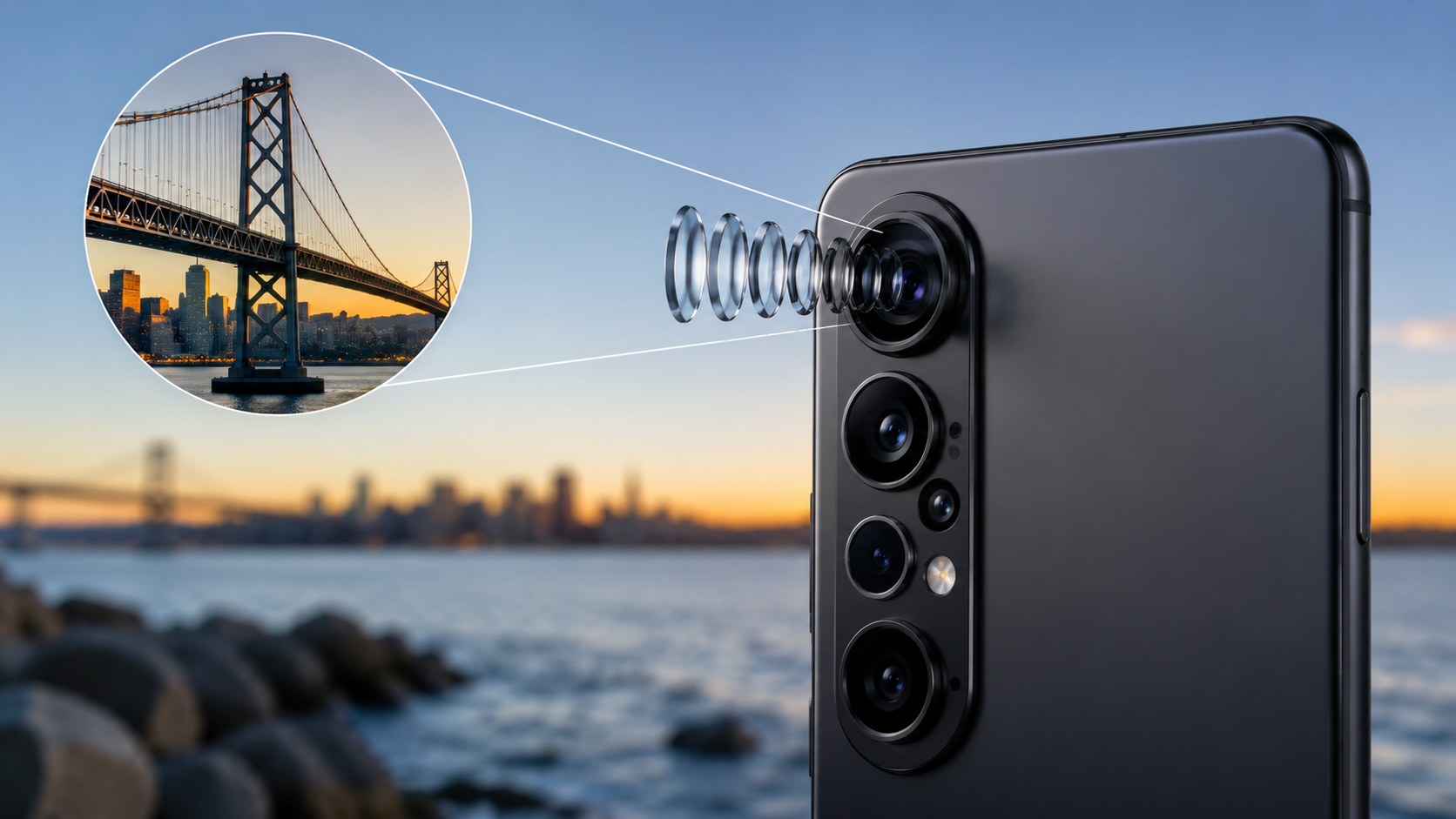
Future devices are expected to feature improved sensors and zoom systems that capture distant subjects with greater clarity. These upgrades will benefit photographers, content creators, and casual users alike.
The ongoing advancements in mobile photography remain among the most exciting smartphone trends in 2026 shaping the future of smartphones.
Connectivity and Performance Improvements
The future of smartphones is not limited to artificial intelligence and camera systems. Connectivity, processing power, and device integration are also evolving rapidly. These developments will allow users to work, communicate, and access information more efficiently than ever before.
Faster Network Capabilities
Mobile networks continue to improve, providing higher speeds and lower latency. Future smartphones will take greater advantage of advanced connectivity technologies, enabling smoother video streaming, faster downloads, and more reliable online experiences.
Many experts view it as closely linked to improvements in network infrastructure because connectivity plays a critical role in modern digital lifestyles, supporting faster communication, seamless streaming, and more reliable access to online services.
More Powerful Mobile Processors
Processing power is expected to increase significantly as manufacturers develop more efficient and intelligent chipsets. These processors will handle demanding applications, advanced gaming, and AI-driven tasks with greater speed and lower energy consumption.
The growing influence of smartphone trends in 2026 can already be seen in the industry’s focus on combining performance with efficiency, delivering faster processing, longer battery life, and smarter resource management for users.
Better Integration Across Devices
Smartphones are becoming central hubs that connect seamlessly with laptops, tablets, smart watches, and home automation systems. Future devices will offer even smoother integration, allowing users to switch between devices without interruptions.
This level of connectivity improves convenience while supporting productivity across multiple digital environments, enabling users to work, communicate, and manage tasks more seamlessly across devices and platforms.
New Design Approaches and User Experiences
Manufacturers are not only improving internal technology but also rethinking how smartphones look and feel. Design innovations are expected to influence the next generation of mobile devices.
Flexible and Foldable Displays
Foldable technology continues to advance, offering larger screens without sacrificing portability. Improved durability and display quality are making flexible devices more practical for everyday use.
As these designs mature, smartphone trends in 2026 are likely to include wider adoption of foldable and hybrid devices, offering greater versatility, improved multitasking capabilities, and more flexible user experiences.
Enhanced User Interfaces
User interfaces are becoming smarter and more personalized. AI-driven systems will adapt layouts, settings, and recommendations based on user behaviour, creating experiences tailored to individual preferences.
These changes help simplify interactions while making devices more intuitive and enjoyable to use, enhancing usability, accessibility, and overall user satisfaction.
Sustainability in Smartphone Manufacturing
Environmental concerns are influencing smartphone design and production. Manufacturers are increasingly exploring recycled materials, energy-efficient components, and longer software support periods.
Sustainability has become an important aspect of smartphone trends in 2026, reflecting growing consumer interest in environmentally responsible technology.
Security and Privacy Advancements
As smartphones store more personal and professional information, security remains a top priority for both manufacturers and users, driving the development of stronger protection measures, privacy features, and advanced authentication technologies.
AI-Powered Threat Detection
Future devices are expected to use artificial intelligence to identify suspicious activity and potential threats more quickly. These systems can detect unusual behaviour and respond before significant damage occurs.
This proactive approach strengthens digital security while reducing risks associated with cyber threats, helping protect sensitive data, maintain privacy, and improve user confidence in connected devices.
Stronger Biometric Authentication
Biometric technologies such as facial recognition and fingerprint scanning continue to improve. Future systems are expected to offer faster performance and greater accuracy while maintaining strong privacy protections.
The focus on security is another reason why they are attracting attention from both consumers and businesses, as stronger protection features help safeguard data, enhance trust, and support secure digital activities.
Conclusion
The smartphone industry is entering an exciting period of innovation driven by artificial intelligence, advanced cameras, improved connectivity, and smarter user experiences. These developments are transforming mobile devices into powerful tools that support communication, productivity, creativity, and entertainment.
The emerging smartphone trends in 2026 demonstrate how rapidly technology is evolving to meet changing consumer needs. From intelligent assistants and enhanced photography to sustainable manufacturing and stronger security, future smartphones are expected to deliver far more than traditional mobile functionality.
As manufacturers continue investing in innovation, it will shape the future of digital life, creating devices that are smarter, faster, and more connected than ever before.
Frequently Asked Questions (FAQs)
What is the biggest smartphone innovation expected in 2026?
Artificial intelligence integration is expected to be one of the most influential innovations, improving personalisation, productivity, and device performance while enabling smarter, more efficient, and user-focused mobile experiences.
Will smartphone cameras continue to improve?
Yes. Manufacturers are focusing on AI-powered photography, better sensors, and advanced image processing technologies to deliver higher-quality images, improved low-light performance, and more professional-looking results.
Are foldable phones becoming more popular?
Foldable devices are gradually becoming more practical due to improvements in durability, display quality, and overall user experience, making them a more reliable and versatile option for everyday use.
How will smartphones become more secure?
Future devices are expected to use stronger biometric authentication and AI-powered threat detection systems, providing enhanced security, faster access, and better protection against evolving cyber threats.
Why are future smartphone developments important?
New technologies improve convenience, connectivity, efficiency, and the overall user experience, making smartphones more capable in daily life while supporting communication, productivity, entertainment, and digital security.
