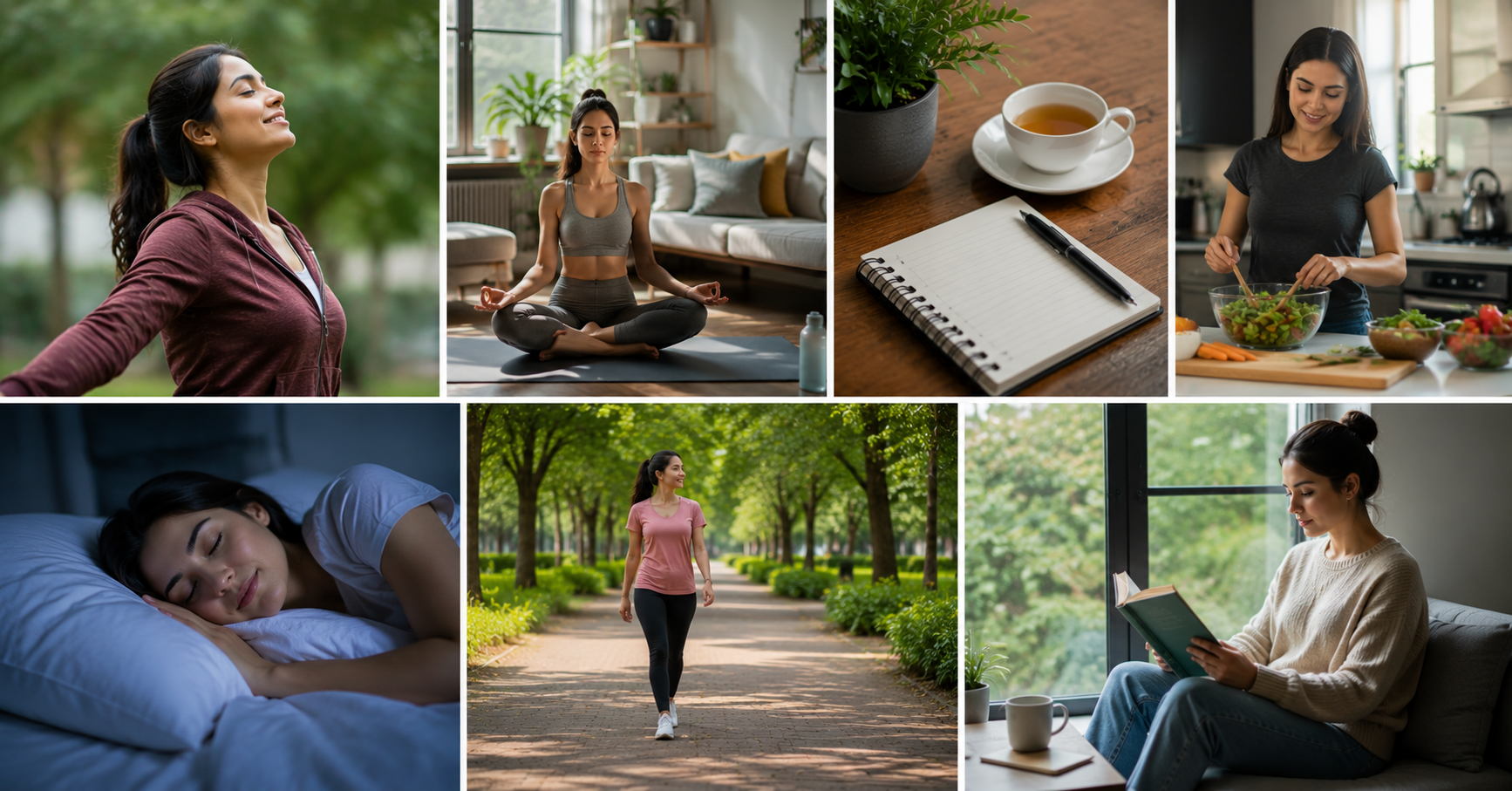
In today’s fast-paced world, stress has become a common part of daily life. Many people struggle to balance work, personal responsibilities, and mental wellbeing. As a result, creating a calm and structured routine has become more important than ever. Small, consistent changes in daily behaviour can significantly improve overall quality of life and reduce stress levels.
Understanding Simple Lifestyle Habits is one of the most effective ways to bring balance and peace into everyday living. Instead of relying on major lifestyle changes, focusing on simple routines allows individuals to gradually build a healthier and more manageable lifestyle.
A stress-free life is not about eliminating challenges completely but about learning how to respond to them in a calmer and more controlled way. This is where structured routines and mindful practices make a meaningful difference.
How Simple Lifestyle Habits Improve Daily Life
Modern life often demands constant attention and multitasking, which can lead to mental exhaustion. By adopting Simple Lifestyle Habits, individuals can create a more stable routine that supports both mental clarity and emotional balance.
These habits are not complicated or time-consuming. Instead, they are small adjustments that fit naturally into everyday life and gradually improve wellbeing over time by building consistency, balance, and sustainable positive change.
Creating Stability in Daily Life
A structured routine helps reduce uncertainty and provides a sense of control. When daily activities follow a predictable pattern, the mind feels more relaxed and focused.
This stability is one of the key reasons why they are effective in reducing stress and improving productivity, as it helps create predictable routines, better focus, and improved mental balance.
Reducing Mental Overload
Too many decisions throughout the day can lead to decision fatigue. Simple routines help reduce unnecessary choices, allowing the mind to conserve energy for more important tasks.
By simplifying everyday actions, people can experience a noticeable reduction in mental pressure and emotional strain, leading to greater clarity, calmness, and overall wellbeing.
Building Calm Through Everyday Routines
A peaceful lifestyle is built through consistent habits rather than occasional efforts. Small daily actions have a powerful long-term impact on mental and emotional wellbeing, gradually shaping stability, resilience, and a more balanced life.
Morning Structure for a Better Day
How the day begins often influences how the rest of it unfolds. A calm and organised morning routine helps set a positive tone for the entire day.
Many individuals find that incorporating Simple Lifestyle Habits into their mornings improves focus, reduces stress, and increases productivity.
Managing Time Effectively
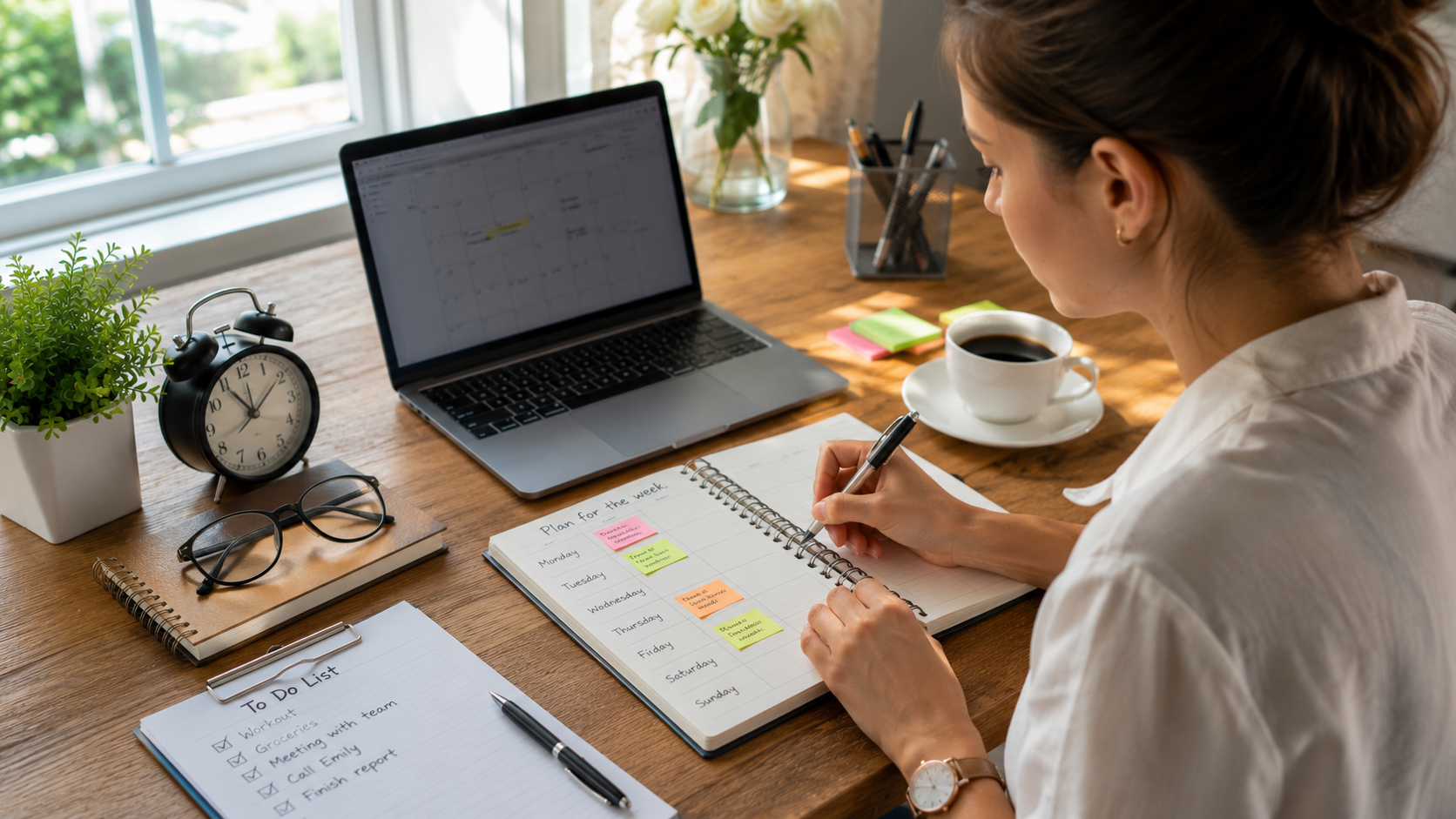
Poor time management often leads to unnecessary pressure and last-minute stress. Creating realistic schedules and sticking to them helps maintain balance throughout the day.
Time management is an essential part of building a stress-free lifestyle, helping individuals organize priorities effectively, reduce pressure, and maintain a balanced daily routine.
Creating a Calm Environment
The physical environment plays a major role in mental wellbeing. A clean and organised space helps reduce distractions and promotes relaxation.
Even small changes in surroundings can significantly influence mood and productivity by creating a more positive environment, improving focus, and supporting overall wellbeing.
Emotional Balance and Mental Clarity
Stress is not only physical but also emotional. Managing thoughts and feelings effectively is essential for long-term wellbeing, as it helps maintain balance, improve resilience, and support overall mental health.
Practising Mindful Awareness
Being present in the moment helps reduce anxiety and overthinking. Mindful awareness encourages individuals to focus on what is happening now rather than worrying about future uncertainties.
Many people use simple lifestyle habits like mindfulness to improve emotional stability and mental clarity, helping them reduce stress, stay focused, and maintain a more balanced daily life.
Limiting Overexposure to Digital Content
Constant exposure to digital devices can increase stress and reduce attention span. Taking regular breaks from screens helps the mind reset and recover.
This simple adjustment is one of the most effective ways to maintain emotional balance in a digital world, helping reduce overload, improve focus, and support overall mental wellbeing.
Building Positive Thinking Patterns
Thought patterns influence emotional responses. Focusing on positive aspects of life helps reduce stress and build resilience over time.
Developing healthier thought habits is an important part of creating long-term emotional wellbeing, as it supports positive thinking, reduces stress, and improves overall mental resilience.
Strengthening Wellbeing with Daily Balance
A stress-free lifestyle is not created overnight. It develops gradually through consistent behaviour, mindful decisions, and balanced routines. When individuals focus on maintaining harmony between work, rest, and personal time, they experience greater emotional stability and mental clarity.
Importance of Rest and Recovery
Rest is essential for maintaining both physical and mental health. Without proper recovery, stress accumulates and affects productivity and mood. Quality sleep and short breaks throughout the day help restore energy levels and improve concentration.
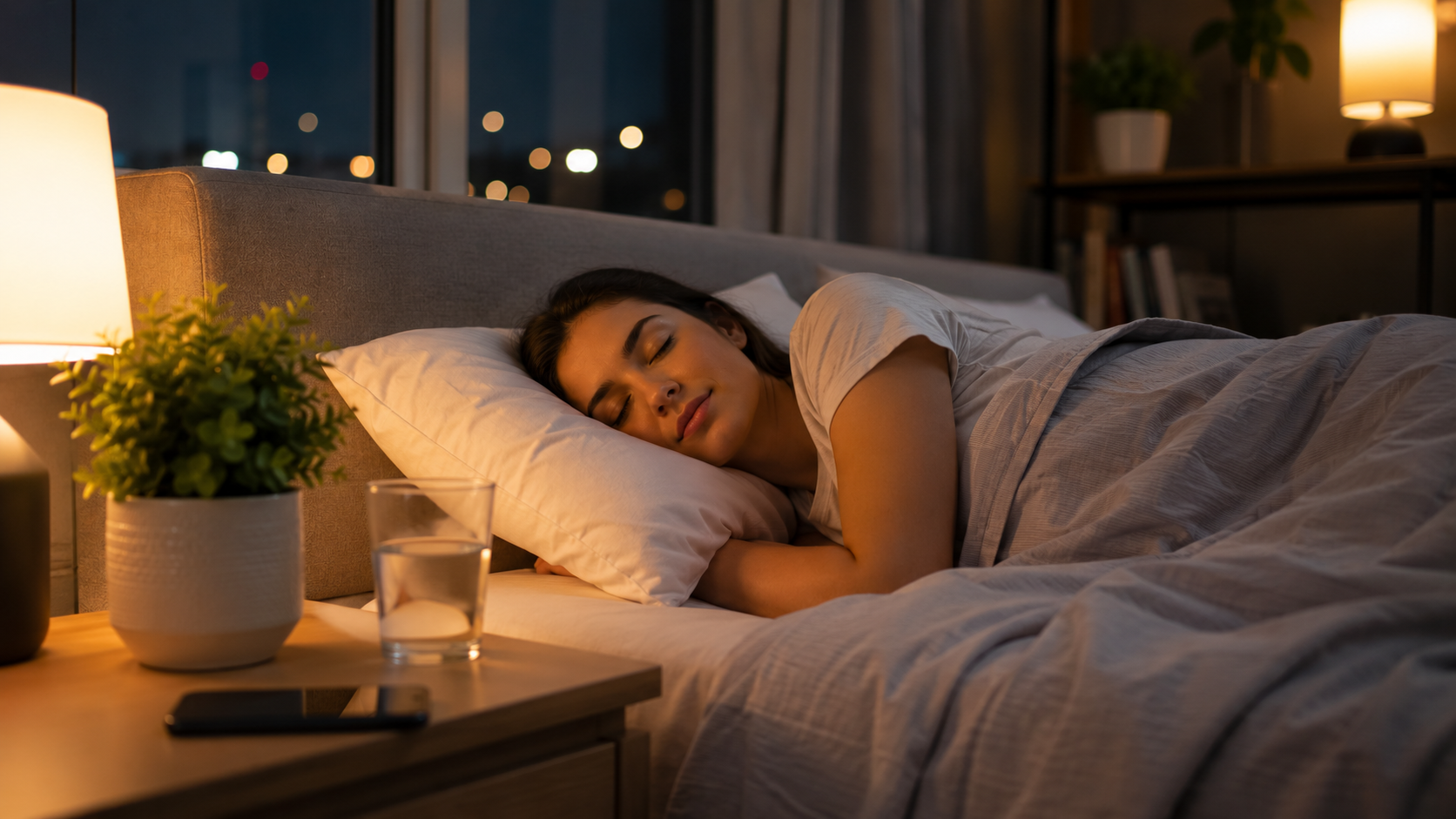
Incorporating simple lifestyle habits that prioritise rest allows the body and mind to function more efficiently and reduces long-term stress, supporting better recovery, improved focus, and overall wellbeing.
Healthy Social Connections
Human connection plays a vital role in emotional wellbeing. Spending time with supportive friends and family helps reduce feelings of isolation and improves mood stability.
Building strong relationships is a natural extension of healthy habits, as positive social interaction contributes to a healthier and more balanced life by improving emotional wellbeing, reducing stress, and strengthening overall life satisfaction.
Physical Movement for Stress Relief
Regular movement helps release tension stored in the body. Simple activities such as walking or stretching improve circulation and support mental relaxation.
When combined with simple lifestyle habits, physical activity becomes a powerful tool for reducing stress and improving overall wellbeing, supporting both physical health and mental balance.
Long-Term Benefits of a Simple Lifestyle
Adopting simple routines does more than just reduce daily stress. Over time, these habits contribute to a more stable, confident, and fulfilling life by building consistency, resilience, and long-term emotional wellbeing.
Improved Focus and Productivity
A structured lifestyle allows individuals to concentrate better and complete tasks more efficiently. With fewer distractions and reduced mental clutter, productivity naturally improves.
This is one of the most valuable outcomes of maintaining consistency, as it helps reinforce positive habits, improve stability, and support long-term personal growth and wellbeing.
Better Emotional Resilience
Life will always include challenges, but strong habits help individuals respond more calmly. Emotional resilience develops when people learn to manage stress in a healthy way.
Incorporating simple lifestyle habits that prioritise rest allows the body and mind to function more efficiently and reduces long-term stress, supporting better recovery, improved focus, and overall wellbeing.
Greater Sense of Life Satisfaction
A balanced lifestyle leads to greater satisfaction and happiness. When stress is reduced and routines are stable, individuals feel more in control of their lives.
This sense of fulfilment is one of the long-term rewards of practising regularly, as consistent habits build progress, confidence, and lasting personal satisfaction over time.
Conclusion
Creating a stress-free life is not about perfection or major lifestyle changes. It is about making small, meaningful improvements that gradually lead to better balance and wellbeing. Simple routines, mindful awareness, and consistent habits play a powerful role in reducing stress and improving quality of life.
The idea behind is to simplify daily living so that individuals can focus more on what truly matters. Whether it is improving sleep, managing time, building positive relationships, or maintaining emotional balance, each habit contributes to a calmer and more structured lifestyle.
Over time, Simple Lifestyle Habits become a natural part of daily life, helping individuals feel more relaxed, focused, and emotionally stable in both personal and professional situations.
Frequently Asked Questions (FAQs)
How do simple habits reduce stress?
They reduce mental overload, create structure, and help individuals manage daily challenges more calmly, improving focus, emotional balance, and overall wellbeing.
Can small lifestyle changes really improve wellbeing?
Yes, consistent small actions often lead to significant long-term improvements in health and mood, as they gradually build stable habits, reduce stress, and support overall wellbeing.
What is the easiest habit to start with?
Improving sleep routine or reducing screen time are often simple starting points that help support better rest, reduced stress, and improved overall wellbeing.
How long does it take to build a habit?
It varies for each person, but consistency is more important than speed, as steady progress over time leads to more sustainable habits and long-term success.
Why is balance important in life?
Balance helps maintain emotional stability, reduces stress, and improves overall life satisfaction by creating harmony between daily responsibilities, personal wellbeing, and long-term goals.
